
Eight Common Types of Dump Trucks
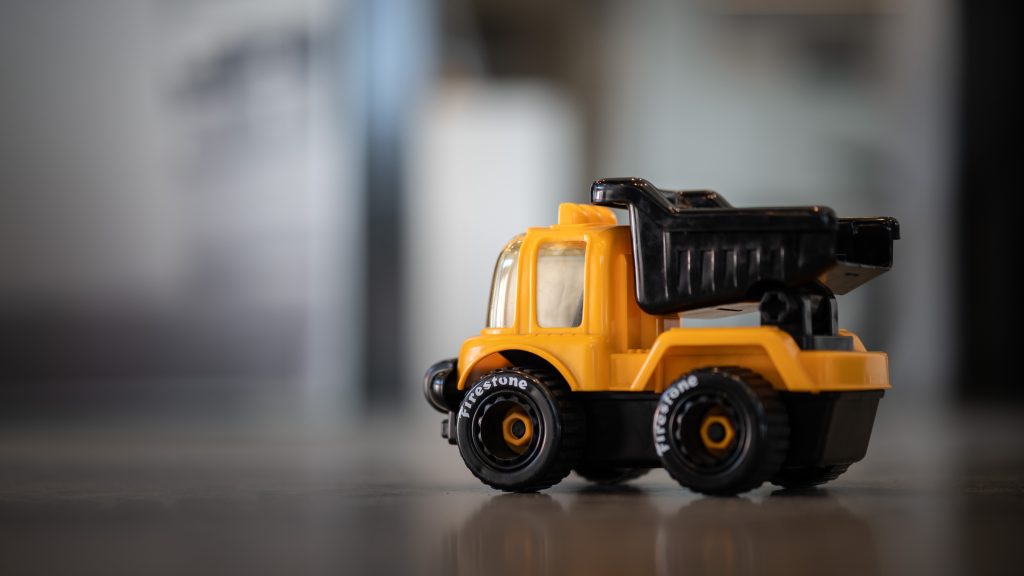
Different kinds of dump trucks are used by multiple industries to transport materials across Australia. Each type of truck has its strengths and weaknesses, so getting a detailed picture is vital if you’re looking to select a truck for a specific kind of job.
Dump trucks are open-bed, heavy-duty trucks ideal for transporting bulk materials. A century-old innovation, these vehicles provide affordable solutions to several industries, from construction to mining.
These vehicles can easily transport hundreds of tonnes of payload in one go, with the ideal size and build dependent on one’s particular requirements.
Although there are different kinds of dump trucks currently in use in Australia, they all fall into one of two groups: trucks with either an articulated or rigid chassis. Have a look at the various types of dump trucks in more detail.
The Eight Types
- Standard Dump Truck
A standard dump truck has a dump body that’s mounted to the chassis and a ram that raises the bed.
The ram can be vertical or horizontal, depending on the type. Vertical rams are mounted at the front, while horizontal ones combine with an arrangement of levers placed between the chassis rails.
Standard dump trucks can have a tailgate that swings up or folds down on hinges or a pneumatic system that lifts the gate.
- Semi-Trailer End
A semi-trailer end truck, or semi end dump for short, has a hoist within the trailer. This type of dump truck can have two, three, or more axles on the trailer.
Semi end dumps can deliver massive payloads, but they aren’t as stable as some of the other different kinds of dump trucks. The semi end dump is at its most unstable when the trailer rises, making it less suitable for some applications.
Because of the stability issue, this type of dump truck is limited to level terrain.
- Transfer Dump Truck
When a standard dump truck has a separate trailer attached, it’s considered a transfer dump truck. The container on the trailer is movable and well-suited for transporting various payloads.
There are, in fact, two containers on the trailer: the cargo container known as the A box and the aggregate B box. This second container rides into the A box from the frame, giving transfer dump trucks maximum capacity while retaining the standard dump truck manoeuvrability.
- Truck and Pup
The truck and pup is a type of dump truck much like the transfer sort. The pup trailer is attached to a standard dump truck, but it’s different from that of transfer dump trucks.
While a transfer dump truck has a trailer that’s incapable of automatic unloading, the pup trailer can do just that with its hydraulic ram.
- Super Dump Truck
Super dump trucks have a liftable axle that trails about four meters behind the rear tandem. The distance between axles on either end reaches the maximum allowed.
These superdumps, as owners like to call them, can haul as much as 36 tonnes, far surpassing the payload of conventional dump trucks. When it’s time to offload, the trailing axle uses two hydraulic arms to toggle up and clear the vehicle’s rear.
- Semi-Trailer Bottom
Also known as a belly dump, a semi-trailer bottom dump truck has a dump gate in the trailer belly. The gate is the clamshell type, which enables the truck to offload material in a linear heap. Belly dumps differ from some other types because of their reverse manoeuvrability.
There are two variants of the semi-trailer bottom dump truck: the windrow and the cross spread type.
The windrow has a gate that opens left and right while the cross spread opens front to rear. When offloading, the former will leave a central pile and the latter spreads the payload evenly. However, the cross spread type may jam more often and doesn’t work well with certain materials.
- Double and Triple trailer
Double and triple bottom dumps have a tractor that pulls a semi-trailer and one or two additional full trailers. This type of dump truck is suitable for laying material down in windrows, as the driver can do so without the need to leave or stop the truck.
The configuration of these dump trucks will depend on the limitations on weight and axles, combined with the type of material transported. With heavy materials such as rock, the truck can quickly become overloaded, which is why specific configurations aim to stay within limits while maximising the cargo.
The most noticeable disadvantage of this type of dump trucks is that backing up can be exceptionally challenging.
- Side Dump Truck
A side dump truck has a tractor that pulls a semi-trailer with rams that can tilt the body sideways, either to the left or right. Side dump trucks are ideal for unloading cargo quickly and in a way that poses no risk of tipping over if done correctly.
However, side dump trucks can still tip over when dumping is prematurely stopped. Loose materials piling over the wheels can also cause the side dump to get stuck, although this can be avoided by following the appropriate dumping angle.
Match the Truck Type to Your Needs
Each type of dump truck is best suited for transporting certain materials like stone, dirt, gravel, wood, scrap metal, and more. Besides that, not every type of dump truck will be able to transport and offload the cargo with equal efficiency.
Before you buy or rent a dump truck, it would be best to understand what each type can or can’t do. Hopefully, the list in this article will help you in that regard.
A good truck dealership might be of even more assistance.
If you’re looking for reliable new or used trucks, feel free to visit Truck Dealers Australia and see our latest deals.