Should You Lease or Buy a Truck?
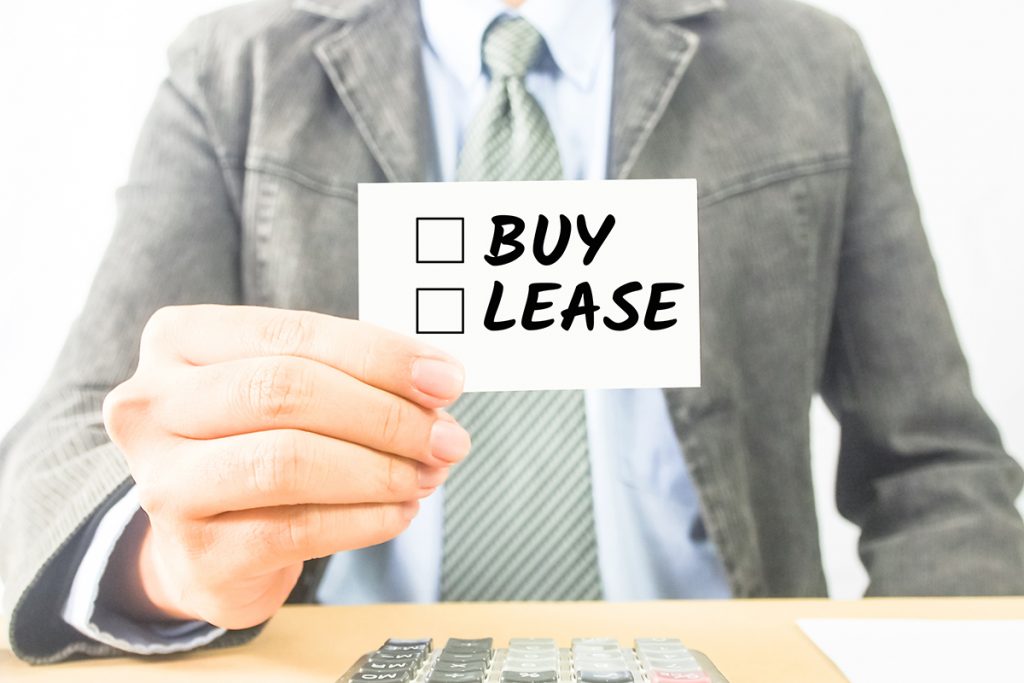
In the transport business, there’s a very common conundrum – lease or buy? Find out the pros and cons of each option in this guide.
There are many factors that influence the profitability of a transport business. Business owners have to do all sorts of calculations to make sure their margins stay as high as possible.
Naturally, buying a truck or leasing one can make a world of difference. There’s no right answer here, as each option has its good and bad aspects.
This is why you should think it through before you make your final decision. It will depend on your financial situation, how you’re planning to use the vehicle, and several other factors.
This guide will go over each one and help you make the right choice.
Without further ado, let’s look at all the major differences between leasing and buying.
Buying a Truck
The main advantage of buying is very clear – you get full ownership of your vehicle. Also, buying a car, truck, or any other vehicle or asset lets you build equity in your business. This alone is a compelling reason to buy.
Of course, there’s also the matter of having all the freedom you might need. You can use the truck for as long as you wish and modify it to your liking. In many cases, leasing will come with restrictions you might not be comfortable with.
When thinking about buying, the biggest concern is maintenance. You need to make sure that you can afford to maintain your truck in the long term. This is especially important for the period after the warranty expires, as the costs can be quite high.
Another drawback is that there are many initial costs you’ll have to pay, though some of them are also applicable to leasing. These include insurance, registration, and stamp duty. When you add the monthly payment of your auto loan to this, your overall costs can be 30%–60% higher than leasing.
In addition, the truck will depreciate in value over time. In some cases, this can result in its value dropping below the outstanding loan balance.
These are the most important factors you need to keep in mind if you’re buying. If this option sounds appealing, there are a couple of ways of doing it.
Buying Options
If you decide to buy, there are two main loan options at your disposal.
The first one is the chattel mortgage. In this case, the lender will use your truck as security, meaning that a deposit isn’t needed. You can use the truck immediately and gain full ownership the moment you pay off the loan and interest.
Another option is the hire purchase. With this, you can also use the truck right away and fully own it after you’ve met all loan payments. The main benefit of a hire purchase is that you can claim tax deductions. In some cases, this can amount to a significant sum of money.
Leasing a Truck
Many truckers find leasing to be a better option than buying, for a variety of reasons. First of all, you can lease a car, truck, or any other vehicle at a lower cost than buying. Just as a car loan can burden your personal finances, a truck loan can do the same for your business.
However, even though the lease payments are lower, there are still some costs you’ll have to take into account. These include licensing, registration, taxes, and a few others. Depending on your lease terms, you might also have to pay additional fees. The good news is that you can still claim tax benefits and save money.
Another big benefit of leasing is that the leasing company should take care of everything. They handle maintenance, and the manufacturer warranty takes care of most repairs. That is, as long as you take proper care of the truck.
This can save you a lot of headaches.
Take Fresh Foods Distributor as an example:
When the owner wanted to expand his fleet, he didn’t know whether he should buy or lease. In the end, he came to realise that leasing was a much better option. It allowed him to focus on internal operations while the company took care of the trucks.
Now, of course, this doesn’t mean that leasing is ideal for all.
To begin with, there’s a mileage limit specified in the terms. If you plan on driving more miles per year, you’ll have to pay extra.
In addition, breaking the contract before the lease period is over can be extremely costly. This is a general concern whenever you’re leasing a car or truck.
Lastly, you’re not building any equity this way, as you don’t own the truck and have to return it after the lease period. For businesses that want long-term growth, this can be an issue.
Leasing Options
If you’ve compared the pros and cons of leasing and think it’s for you, there are two popular options to consider.
The first one is an operating lease. In most cases, it will last from three to five years. During this period, you’re free to use the truck, and the lease payments don’t go onto your balance sheet.
The second option is a finance lease, which works in a similar way. The only difference is that you can buy the truck after the lease expires. The main benefit of this type of lease is the substantial tax savings. However, the truck doesn’t build equity under ownership, so it’s not an asset.
Think Carefully
As you can see, both buying and leasing offer many pros and cons that make them suitable for different scenarios. Before you make the final decision, make sure to assess your situation carefully. Otherwise, you might lose a lot of money and affect the growth of your business.
If you decide to lease, take a close look at the lease agreements. If you’re not careful, you might sign up for something that will cause more harm than good. Look at all the terms and make sure you’re comfortable with them.
And if you’re buying, make sure that you can service all the loan payments, both initial and ongoing. If you can, buying can be an excellent choice, as you’ll add a valuable asset to your business.
If you want some more information about finance or leasing options follow the link here. If you want to search trucks and trailers around the country available for sale check out our search page.